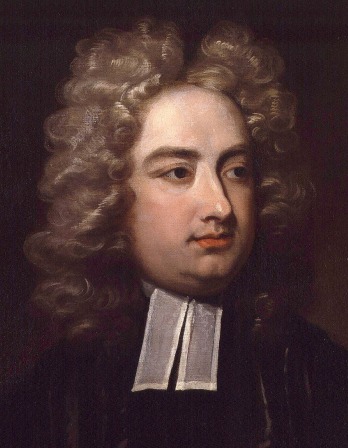
Photochrome of a glacier, Grindelwald, Switzerland, c. 1890. © Rijksmuseum.
VIEW:


Miscellany
Hero of Alexandria invented the aeolipile, a primitive steam engine, in the first century. A hollow sphere with elbow-shaped tubes mounted on an axle and suspended over a cauldron of boiling water, the engine likely could not have powered anything. “It should probably be remembered,” wrote historian William Rosen, “as the first in a line of engineering dead ends.”







Most new discoveries are suddenly-seen things that were always there.
—Susanne K. Langer, 1942